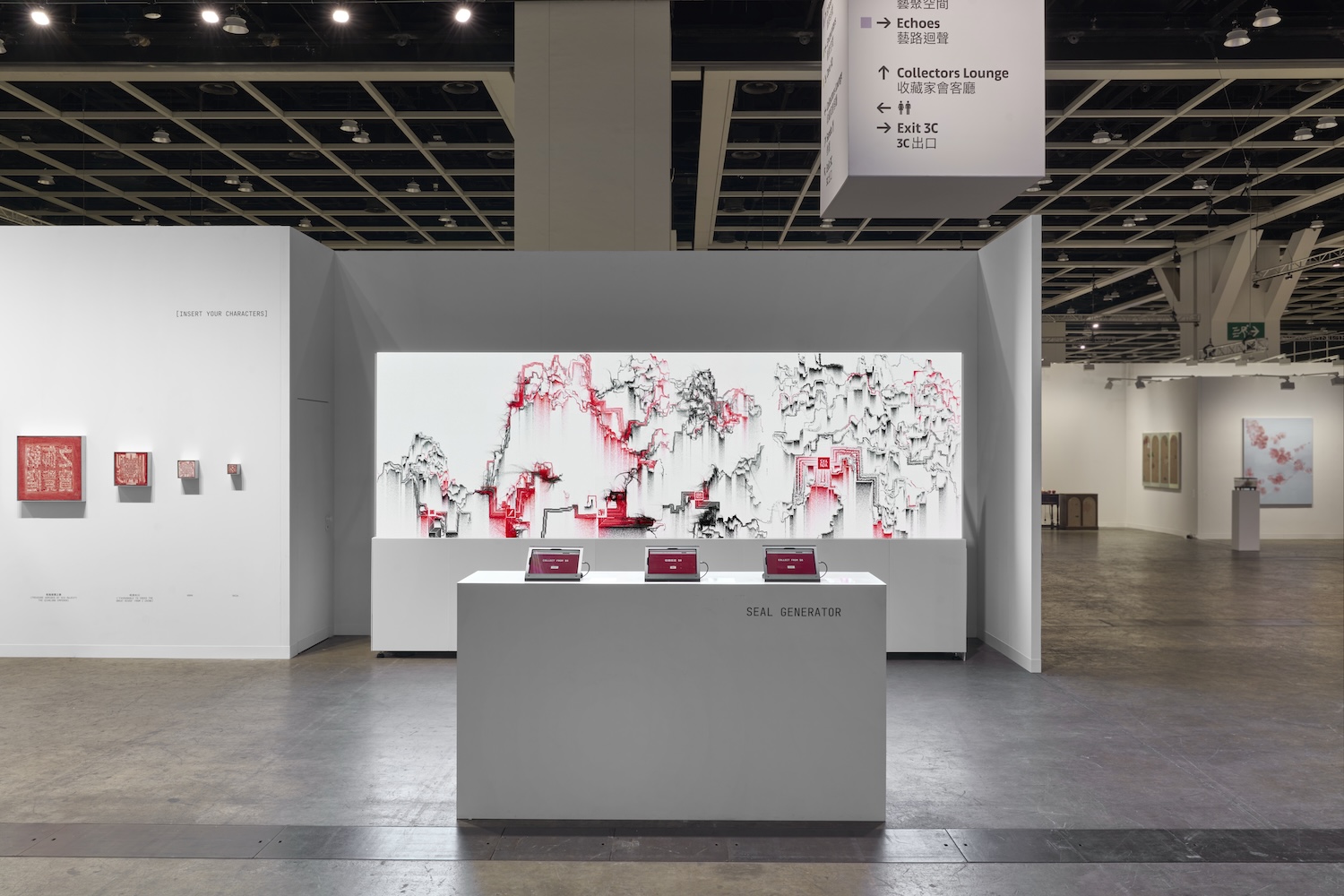
A thousand years before blockchains, Sinosphere collectors inscribed their seals of provenance directly onto the front of artworks. Unlike Western traditions, where only the artist signs their work, these seals transformed artworks into living records of ownership. Unique to the East, ledger and artwork are bound together in shared materiality, a tradition that foreshadows blockchains by millennia.
As part of the Zero 10 initiative at Art Basel Hong Kong 2026, Onkaos presents the debut of SEAL, a new project by Robert Alice, entirely build on-chain, that makes this historical resonance explicit and participatory.
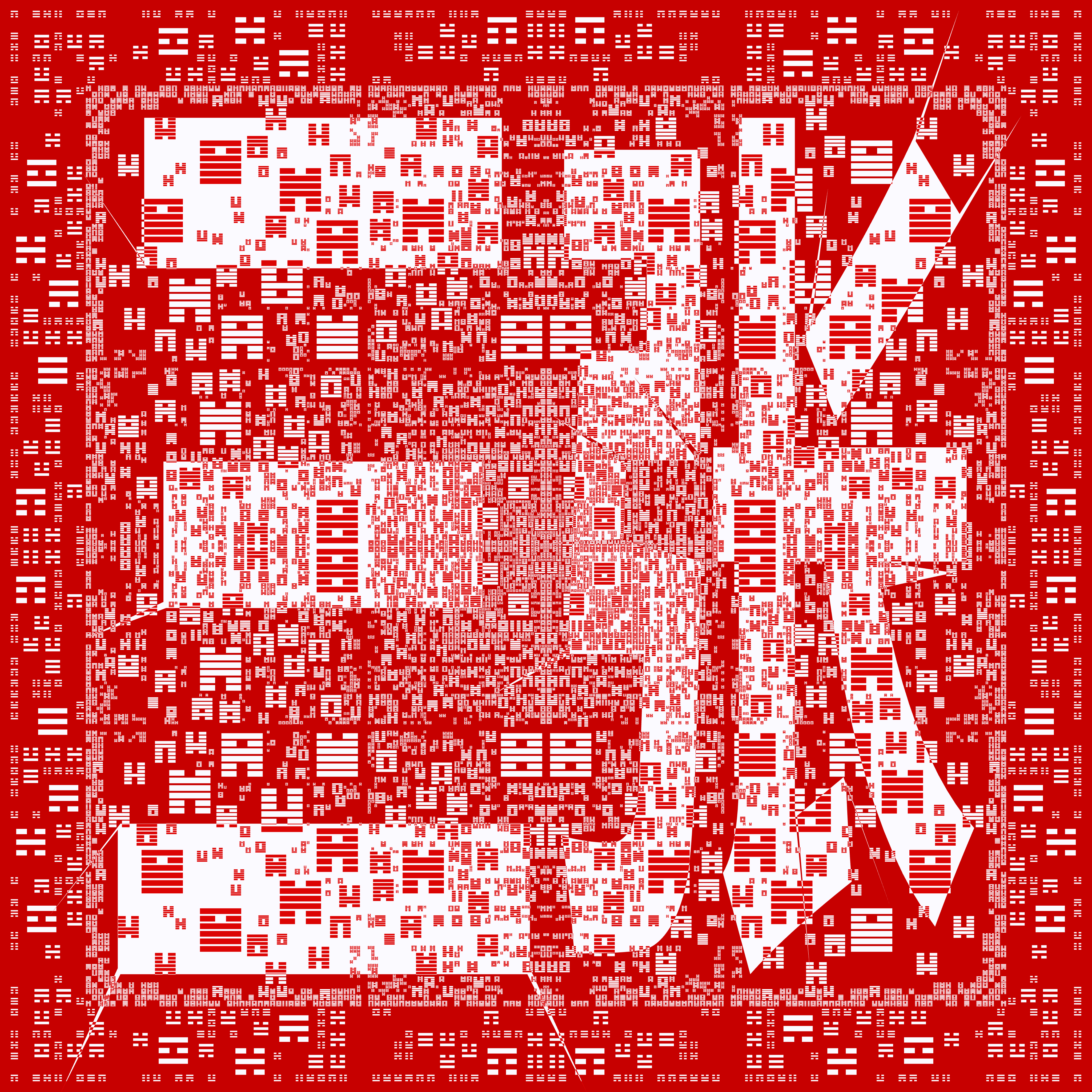
A LIVING CHAIN OF PROVENANCE
SEAL makes this historical resonance explicit through a participatory digital release, available online and presented simultaneously at the fair.
Collectors are invited to create custom cryptographic digital seals that are automatically inscribed onto an infinite collaborative scroll. Upon mint, the collector will receive two NFTs: their seal and their section of the scroll. Different rarities of seals grant collectors different lengths of the scroll. Traditionally positioned at the margins of scrolls, seals here now function as the compositional centrepiece, creating a chain of provenance and an unending generative landscape shaped by successive acts of inscription and cross-cultural collaboration.
Once the minting period closes after one month, the horizontal chain of provenance will be fixed yet the full scroll can grow infinitely, not horizontally but vertically. Because each seal lives permanently on the blockchain, if a collector acquires an original section of the scroll they can sign their own seal to that section and extend it further, forming a tree architecture with a fixed trunk but infinite branches. Each section becomes its own infinite chain of provenance, as collectors compete for the longest scroll.
ON-CHAIN, PERMANENTLY
SEAL is built fully on-chain. The artwork, the inscription, the character data and the visual properties of each seal are stored directly within the blockchain’s smart contracts and not on external servers or third-party platforms. SEAL itself extends the logic it draws from: the ancient practice of pressing a seal into the surface of an artwork, binding ledger and object into a single, inseparable entity. As long as the blockchain exists, every seal renders exactly as its collector originally received it.
SEAL does use Chainlink oracles to read wallet data and has built in redundancies. If these APIs go down, the rarity traits will conform to in-script probabilities.

WHEN THE SEAL BECOMES A PAINTING
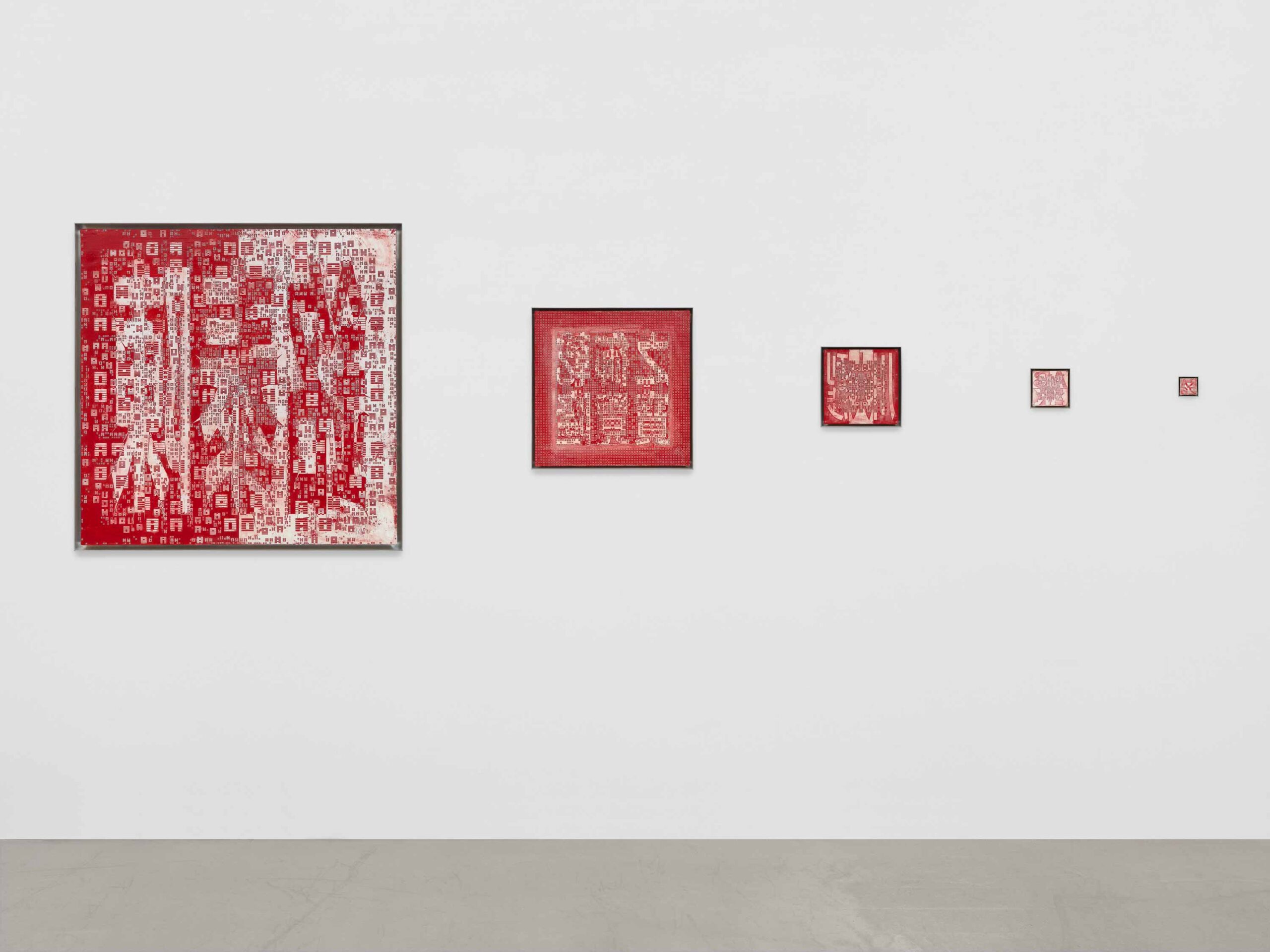
Alongside the digital work, SEAL includes a series of commissioned, customizable paintings that treat the algorithmic seal simultaneously as a technology and as an art object in itself. Building on the engraving techniques developed in Portraits of a Mind (2019– ), each painting is engraved with the collector’s own cryptographic seal, composed of characters derived from the I Ching. The seal becomes the painting, and the painting becomes the seal. Inscribed directly into the painted surface, the paintings become working seals, scaled up to take full territorial control of the art object. From 6.25cm to 2m square, the paintings correspond to different rarities of seals and mix Western and Eastern philosophies of scale, provenance and the sovereignty of the artist.
A NEW CHAPTER IN CHINESE LANDSCAPE PAINTING
SEAL attempts to break new ground in the history of Chinese landscape painting both aesthetically and technologically. Placing seals as the compositional centerpiece to the artwork is a radically different proposed structure to the tradition of shan shui. Traditionally separate, this fusing of seals and landscape together, and its live indexing on the blockchain as an generative digital artwork is novel.
Using the language of microchips and circuitry, the networked nature of this landscape proposes that the new territory to explore in landscape painting is not the physical world, but the nanometric world of silicon wafers seen explicitly in an East-meets-West geopolitical context. It is these wafers that are securing not just AI but the blockchains that create and secure this very artwork. While inspired by masterpieces such as Guo Xi’s Early Spring, the use of a circuitry algorithm to build a traditional landscape format makes SEAL speak to a distinctly contemporary moment as the world grapples with the new landscape of AI-charged silicon.
SEAL presents for the first time a blockchain-based reimagination of the Chinese landscape tradition, working across two unique generative algorithms: the algorithms for the Seal and the Scroll. Using rarity traits that respond to the collector’s blockchain art collection, the scroll leverages existing histories around seal size and position to create collecting hierarchies that are responsive to cutting edge digital art collections in real time.
Discover more about the project at seal-abhk.com